
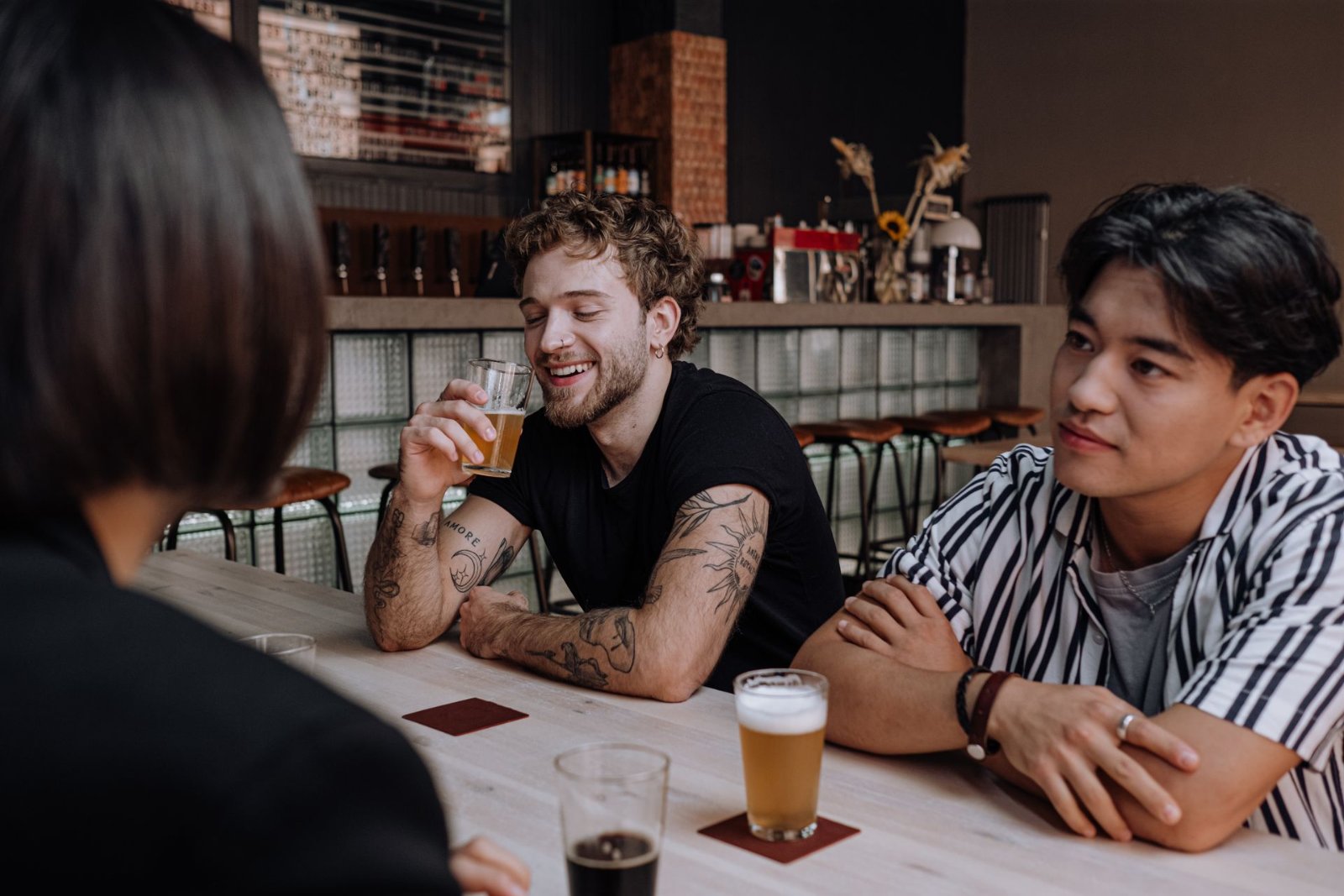
If you’ve ever woken up after a San Diego bar crawl feeling like you swallowed a handful of beach sand, you already know the familiar sting of dehydration. Headache pounding, mouth parched, energy nonexistent — the classic aftermath that most people chalk up as “just part of the experience.” But here’s the thing: most people are getting bar crawl hydration completely wrong, and it’s costing them not just the next morning, but potentially their long-term health too.
Whether you’re exploring the electric nightlife of the Gaslamp Quarter, hopping through the craft beer scene in North Park, or joining one of Barcrawlerz’ legendary organized bar crawls through downtown San Diego, there’s a smarter, science-backed way to hydrate that most bar-goers never even consider. And once you understand it, you’ll never approach a night out the same way again.
Let’s break down the myths, the misconceptions, and most importantly, the actual hydration strategy that maximizes your health benefits while still letting you have an incredible night out.
Why Most People’s Understanding of Bar Crawl Dehydration Is Completely Backwards
The most common piece of advice you’ll hear about drinking alcohol and staying hydrated is simple: “drink a glass of water between every drink.” It sounds logical. It sounds responsible. And in theory, it’s not terrible advice. But it’s also wildly incomplete, and following it blindly misses the deeper physiological reality of what alcohol actually does to your body.
Alcohol is a diuretic. That much most people know. What they don’t fully appreciate is the mechanism behind it. Alcohol suppresses the production of vasopressin, also known as antidiuretic hormone (ADH). This hormone normally signals your kidneys to reabsorb water. When alcohol blocks it, your kidneys go into overdrive, flushing out far more fluid than you’re actually consuming. For every alcoholic drink you consume, your body can excrete up to four times more liquid than the drink itself contained.
So when someone chugs a glass of water between drinks and thinks they’ve “balanced things out,” they’re actually playing a losing game of catch-up that plain water alone can’t win.
The Electrolyte Problem Nobody Talks About
Here’s where the real gap in most people’s knowledge shows up. Dehydration isn’t just about water loss. It’s about electrolyte loss. When your kidneys flush out excess fluid due to alcohol’s diuretic effect, they’re not just removing water — they’re stripping your body of critical electrolytes like sodium, potassium, magnesium, and chloride.
These electrolytes are responsible for nerve function, muscle contraction, pH balance, and fluid regulation within your cells. When they drop, your cells can’t properly absorb and retain the water you’re drinking. This is why you can drink glass after glass of water during a night out and still wake up dehydrated and feeling terrible. The water has nowhere effective to go without the electrolytes to guide it into your cells.
“Hydration isn’t just about the volume of water you consume — it’s about your body’s ability to actually use that water at a cellular level. Electrolytes are the key that unlocks that process.”
This is the foundational truth that most bar crawl participants in San Diego — and everywhere else — completely miss. And it’s the cornerstone of a genuinely effective hydration strategy.
The Real Science Behind Alcohol and Fluid Balance
To build an effective hydration strategy, you need to understand what’s actually happening in your body from the moment you take your first sip to the morning after. It’s more nuanced than most people realize, and that nuance is where the strategy lives.
Phase One: Pre-Drinking Hydration Window
The biggest mistake most bar crawlers make is starting their night already slightly dehydrated. San Diego’s warm climate — especially during summer months when outdoor bar crawls are at their peak — means that even casual daily activity can leave you with a mild fluid deficit before you ever take your first sip.
Starting a night out in a mild state of dehydration is like trying to fill a cracked bucket. No matter how much you pour in, you’re already behind. The goal should be to arrive at your first bar genuinely well-hydrated, with your electrolyte levels topped up. This means intentional hydration throughout the day, not just a rushed glass of water right before you head out.
A smart pre-crawl hydration routine involves drinking water consistently throughout the day, consuming electrolyte-rich foods like bananas, avocados, and leafy greens, and potentially adding an electrolyte supplement to your afternoon water. This creates a hydration reserve that your body can draw from as the night progresses.
Phase Two: Active Hydration During the Crawl
This is where the “one water per drink” rule falls short in practice. The real strategy involves a multi-pronged approach that accounts for electrolyte loss, not just fluid volume.
During the crawl itself, the goal isn’t to robotically match each drink with a glass of plain water. Instead, consider the following framework:
First, choose your alcoholic beverages strategically. Lower-alcohol-content drinks cause less ADH suppression than high-ABV options. A light craft beer from one of San Diego’s many incredible local breweries will dehydrate you less aggressively than a double cocktail. This doesn’t mean you can’t enjoy stronger drinks — it just means being aware of the cumulative impact.
Second, when you do drink water between drinks, make it count. Adding a pinch of sea salt or a small electrolyte packet to your water dramatically increases its effectiveness. Plain water without electrolytes can actually pass through your system quickly without being properly absorbed, especially when alcohol is in the mix disrupting your normal kidney function.
Third, pace your drinking to give your liver time to process alcohol. Your liver can metabolize roughly one standard drink per hour. When you exceed that pace, alcohol accumulates in your bloodstream, intensifying its diuretic effects. Slowing down isn’t just about safety — it’s a direct hydration strategy.
Phase Three: The Critical Post-Crawl Recovery Window
What you do in the hour or two after your last drink can dramatically affect how you feel the next morning. Most people either go straight to sleep or grab fast food, both of which are missed opportunities for meaningful recovery.
The post-crawl window is when your body is still actively processing alcohol and losing fluids. Consuming an electrolyte-rich drink before bed — something like a quality sports drink, coconut water, or a purpose-made electrolyte supplement — can significantly reduce morning-after symptoms. Pairing this with a small snack that contains both carbohydrates and sodium helps stabilize your blood sugar and supports fluid retention.
“The hour before you go to sleep after a night out is arguably the most important hydration window of the entire evening. Most people skip it entirely.”
Hydration Strategies Specific to San Diego Bar Crawls
San Diego is a uniquely challenging environment for bar crawl hydration, and not enough people account for the local factors that make dehydration worse here than in many other cities.
The San Diego Climate Factor
San Diego’s Mediterranean climate means warm temperatures, low humidity, and abundant sunshine — beautiful for outdoor activities, but a compounding factor when it comes to dehydration. Even during evening bar crawls, temperatures in areas like the Gaslamp Quarter or Little Italy can remain warm, especially in summer. Walking between bars, waiting in lines, and dancing all contribute to sweat-based fluid loss on top of the alcohol-induced diuretic effect.
This means San Diego bar crawlers are dealing with a double dehydration hit: alcohol-induced fluid loss plus environmental fluid loss through perspiration. Accounting for this requires drinking more than the standard recommendations, and prioritizing electrolyte replenishment even more aggressively.
If you’re participating in a Barcrawlerz event in San Diego — which often involves walking routes through multiple neighborhoods and spending time outdoors — factor in the extra fluid loss from physical activity. A good rule of thumb is to add at least 8 to 16 ounces of electrolyte-enhanced water to your hydration plan for every hour spent walking or in warm outdoor environments.
Navigating San Diego’s Bar Scene Smartly
San Diego’s bar scene is genuinely world-class. From the craft cocktail bars of South Park to the beach bars of Pacific Beach and the polished lounges of the Gaslamp Quarter, there’s no shortage of incredible venues. But navigating them wisely from a hydration standpoint requires a bit of planning.
Many San Diego bars are happy to provide water upon request, and some will even bring it to you without being asked. Don’t be shy about asking for water alongside your drinks — it’s a completely normal request and any good bartender will accommodate it without judgment. In fact, experienced bartenders often appreciate guests who are being mindful about hydration because it generally makes for a better, more enjoyable evening for everyone involved.
When participating in organized bar crawls with Barcrawlerz, take advantage of any scheduled breaks or transitions between venues to hydrate intentionally. These transition moments — often overlooked as dead time — are actually perfect opportunities to drink water, eat a small snack, and give your body a brief recovery window before the next round.
What Maximizing Health Benefits Actually Means in This Context
Let’s be real about something: we’re talking about alcohol consumption, which carries inherent health risks. No hydration strategy eliminates those risks. But “maximizing health benefits” in the context of a bar crawl means minimizing the negative physiological impact, supporting your body’s natural recovery processes, and making choices that reduce both short-term discomfort and long-term strain on your organs.
Protecting Your Kidneys and Liver
Your liver is doing the heavy lifting when it comes to processing alcohol, but your kidneys are under significant stress too. Proper hydration directly supports kidney function by maintaining adequate blood flow and helping your kidneys filter waste products more efficiently. When you’re severely dehydrated, your kidneys have to work harder and less efficiently, which is part of why chronic heavy drinking without proper hydration can lead to kidney damage over time.
Staying well-hydrated doesn’t just make you feel better the next day — it actively reduces the strain on your organs during the processing of alcohol. This is a genuine, measurable health benefit that goes beyond comfort.
Brain Function and Cognitive Recovery
Your brain is approximately 75% water, and it’s exquisitely sensitive to changes in hydration status. Even mild dehydration — a fluid deficit of just 1-2% of body weight — can measurably impair cognitive function, mood, and concentration. When you combine alcohol’s direct neurological effects with dehydration-induced cognitive impairment, the result is significantly worse decision-making, reaction time, and emotional regulation than alcohol alone would cause.
Proper hydration during a bar crawl doesn’t just help you feel better — it actually supports better decision-making and safer behavior throughout the night. That’s a health benefit with real-world consequences.
Gut Health and Nutrient Absorption
Alcohol irritates the lining of the stomach and intestines, and dehydration compounds this effect. Maintaining good hydration supports the mucous membranes lining your digestive tract, reduces inflammation, and helps your gut continue absorbing nutrients even when alcohol is present. This is why people who stay well-hydrated during a night out often report less nausea and stomach discomfort than those who don’t.
Practical Hydration Tools and Products Worth Knowing About
The market for hydration products has expanded dramatically in recent years, and there are genuinely useful options available that can make your bar crawl hydration strategy much more effective than relying on plain water alone.
Electrolyte Packets and Supplements
Single-serve electrolyte packets are perhaps the most practical tool in the bar crawler’s hydration arsenal. Brands like Liquid IV, LMNT, Nuun, and Pedialyte Sport offer convenient, portable options that you can easily slip into a pocket or bag. Adding one of these to a bottle or glass of water during a night out is significantly more effective than plain water for combating alcohol-induced electrolyte loss.
Look for options that contain sodium, potassium, and magnesium — the three electrolytes most critically affected by alcohol consumption. Be cautious of products loaded with sugar, which can cause blood sugar spikes and crashes that compound the negative effects of drinking.
Coconut Water as a Natural Option
If you prefer a more natural approach, coconut water is an excellent source of potassium and other electrolytes. Many bars and convenience stores in San Diego carry coconut water, making it a practical choice for mid-crawl hydration. It’s not a complete electrolyte solution — it’s relatively low in sodium — but it’s significantly better than plain water for replenishing what alcohol depletes.
Food as Hydration Support
Eating strategically during a bar crawl is an underrated hydration tool. Foods with high water content — fruits, salads, soups — contribute to your overall fluid intake. Foods rich in potassium and sodium help replenish electrolytes. And eating slows alcohol absorption, giving your body more time to process each drink and reducing the peak diuretic effect.
San Diego has incredible food options near virtually every bar district. Whether it’s fish tacos in the Gaslamp, a late-night burrito in Mission Hills, or shared plates at a gastropub in North Park, building food into your bar crawl plan is both a culinary and a physiological win.
How Barcrawlerz Fits Into a Smarter Bar Crawl Experience
Organized bar crawls like those offered by Barcrawlerz in San Diego have some genuine advantages from a health and hydration standpoint that solo bar-hopping doesn’t. When you’re part of an organized event, there’s typically a structured pace, a planned route, and a social environment that naturally encourages more mindful drinking.
The communal aspect of a Barcrawlerz event also means you’re more likely to be in the company of others who can help look out for your wellbeing, remind you to drink water, and encourage you to pace yourself. Social accountability is surprisingly powerful when it comes to making healthier choices during a night out.
Additionally, organized bar crawls often include deals and specials at partner venues, which can actually support smarter drinking choices. When you’re not feeling financial pressure to maximize your drinks at each location, you’re more likely to take your time, enjoy the experience, and naturally pace yourself in a way that supports better hydration.
“The best bar crawl experiences aren’t about drinking the most — they’re about enjoying the most. A smart hydration strategy is what makes that possible.”
Common Bar Crawl Hydration Myths Debunked
Myth: Coffee the Morning After Helps You Rehydrate
This is a persistent myth that actually makes things worse. Coffee is itself a mild diuretic, and consuming it when you’re already dehydrated from the night before compounds the problem. While the caffeine may provide temporary relief from the fatigue associated with a hangover, it does nothing to address the underlying dehydration and may actually prolong it.
A far better morning-after strategy is to start with a large glass of water with electrolytes before having any coffee. Give your body a chance to begin rehydrating before you introduce another diuretic substance.
Myth: Sports Drinks Like Gatorade Are the Perfect Hangover Cure
Sports drinks are better than plain water for post-drinking rehydration, but they’re far from perfect. Most commercial sports drinks contain relatively modest amounts of electrolytes alongside significant quantities of sugar and artificial ingredients. The sugar can cause blood sugar fluctuations that contribute to the foggy, unwell feeling of a hangover.
Purpose-made electrolyte supplements with lower sugar content and higher electrolyte concentrations are generally more effective. If a sports drink is your only option, it’s better than nothing — but don’t rely on it as your primary recovery tool.
Myth: Drinking Water Before Bed Is Enough
Drinking water before bed is better than not drinking water before bed, but timing and composition matter enormously. A single large glass of plain water right before sleep will largely pass through your system without being fully absorbed, especially if alcohol is still being processed. A smaller amount of electrolyte-enhanced water consumed over the hour before sleep is significantly more effective.
Myth: You Can Tell If You’re Dehydrated by How Thirsty You Feel
Thirst is actually a late-stage indicator of dehydration. By the time you feel thirsty, you’re already meaningfully dehydrated. Alcohol further complicates this by suppressing some of the normal thirst signals your body would otherwise send. Relying on thirst as your primary hydration cue during a bar crawl is a recipe for significant dehydration by the end of the night.
Instead, build hydration into a proactive schedule — drinking at regular intervals regardless of whether you feel thirsty — rather than reacting to thirst signals that may be dulled or delayed.
Building Your Personal Bar Crawl Hydration Plan
Now that you understand the science and the common mistakes, let’s put it all together into a practical, actionable plan you can use for your next San Diego bar crawl.
The Day-Of Preparation Checklist
Start your day with a large glass of water — ideally with an electrolyte supplement added. Eat regular meals throughout the day that include potassium-rich foods like bananas, sweet potatoes, and spinach. Avoid excessive caffeine in the afternoon, which can contribute to pre-crawl dehydration. In the hour before you head out, drink another 16 ounces of electrolyte-enhanced water and eat a balanced meal that includes protein, fat, and complex carbohydrates to slow alcohol absorption.
The During-Crawl Protocol
Carry electrolyte packets in your pocket or bag. Aim for one electrolyte-enhanced water for every two alcoholic drinks. Choose lower-ABV drinks when possible, especially early in the evening. Eat food at natural stopping points during the crawl. Use transition time between bars to hydrate rather than checking your phone. Pace yourself to roughly one drink per hour as a guideline. Listen to your body — if you start feeling unusually warm, dizzy, or excessively thirsty, prioritize water for the next 20-30 minutes.
The Post-Crawl Recovery Routine
Before bed, drink 16-24 ounces of electrolyte-enhanced water over the course of 30-60 minutes. Eat a small snack with sodium and carbohydrates. Take a B-vitamin supplement if you have one — alcohol depletes B vitamins, which play a key role in energy metabolism and nervous system function. Place a full glass of water on your nightstand for when you wake up during the night or in the morning.
The Bigger Picture: Responsible Enjoyment and Long-Term Health
Understanding proper hydration during bar crawls is ultimately about more than just avoiding a hangover. It’s about developing a thoughtful, informed relationship with alcohol that allows you to enjoy the incredible social experiences that places like San Diego’s bar scene offer, while genuinely taking care of your body in the process.
San Diego has one of the most vibrant and diverse nightlife scenes in the country. From world-class craft breweries to innovative cocktail bars, the city offers experiences that are worth savoring — and you can savor them more fully, more safely, and with better health outcomes when you approach hydration with the same intentionality you bring to choosing which bar to visit next.
Companies like Barcrawlerz are making it easier to experience the best of San Diego’s nightlife in a structured, social, and enjoyable way. Pairing that kind of organized, community-oriented experience with a smart hydration strategy is the combination that truly maximizes both the fun and the health outcomes of a night out.
The bottom line is this: most people get bar crawl dehydration wrong because they think about it in terms of volume rather than composition, and reaction rather than prevention. Shifting to a proactive, electrolyte-focused, timing-aware hydration strategy changes everything — from how you feel during the crawl, to how you perform the next day, to the long-term health of your kidneys, liver, and brain.
You don’t have to choose between having an amazing night out in San Diego and taking care of your health. With the right strategy, you can genuinely have both.
Final Thoughts: Smarter Hydration Starts Before the First Drink
The most important takeaway from everything we’ve covered is that effective bar crawl hydration is a proactive, all-day commitment — not a reactive measure you scramble for at 2am when you’re already feeling rough. It starts with how you spend the hours before you head out, continues with intentional choices throughout the evening, and concludes with a deliberate recovery routine before you go to sleep.
San Diego’s incredible bar scene, including the expertly organized crawls offered by Barcrawlerz, deserves to be experienced at your best. When you’re properly hydrated, you’re sharper, more social, more energetic, and more capable of genuinely enjoying every moment of the night. The science is clear, the strategy is practical, and the benefits are real.
So next time you’re lacing up your shoes for a night out on the town — whether it’s a spontaneous evening in the Gaslamp or a full Barcrawlerz event through San Diego’s best neighborhoods — take five minutes to prep your hydration strategy. Your body, your brain, and your morning-after self will thank you for it.